
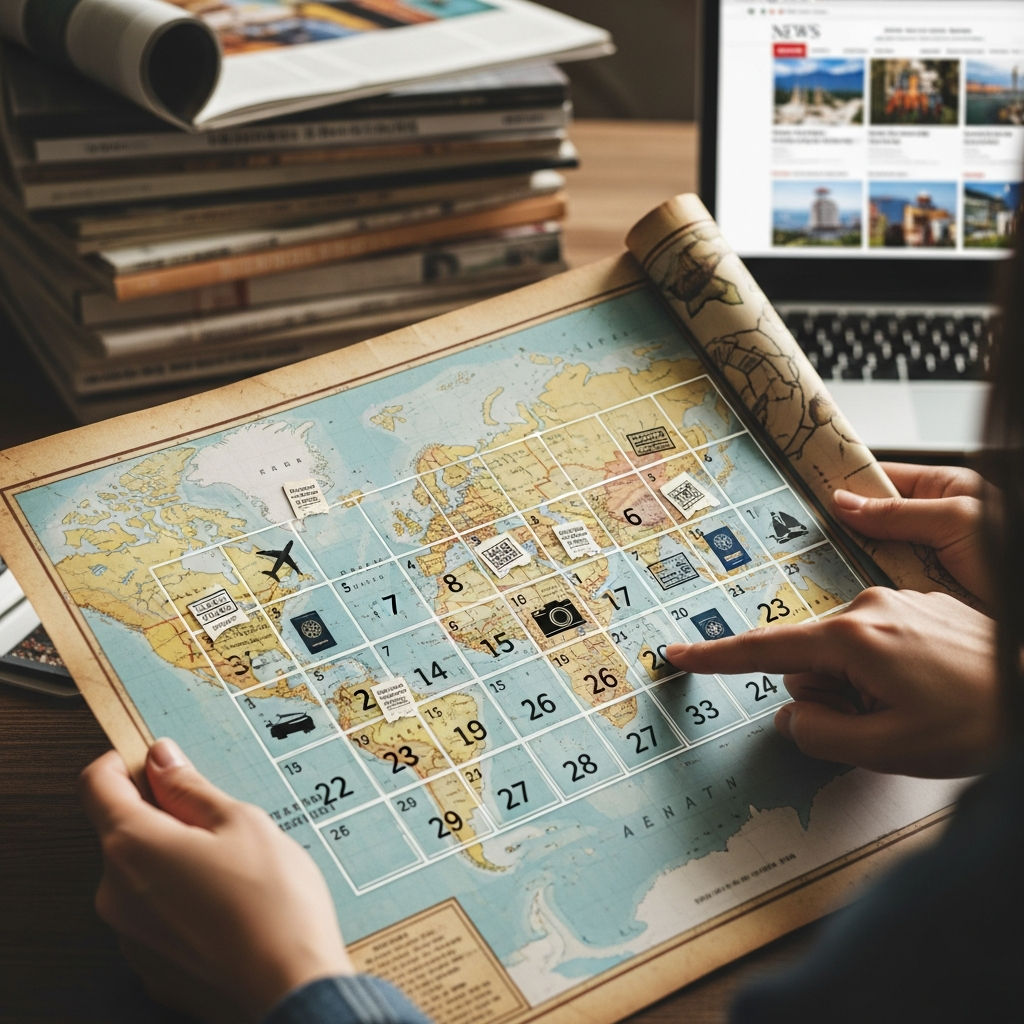
How to Master Travel News in 32 Days: A Comprehensive Guide
The travel industry is one of the most volatile and fast-paced sectors in the global economy. From fluctuating fuel prices and geopolitical shifts to the rise of AI-driven booking tools and sustainable tourism trends, staying informed is no longer a luxury—it is a necessity. Whether you are an aspiring travel journalist, a professional travel consultant, or a dedicated globetrotter, mastering travel news requires a systematic approach.
Most people consume travel news passively, catching headlines on social media or during evening broadcasts. However, true mastery involves understanding the underlying mechanics of the industry. In just 32 days, you can transform from a casual observer into a travel news expert. This guide breaks down the process into actionable weekly phases.
Phase 1: Building Your Information Infrastructure (Days 1–7)
Before you can analyze news, you must curate where it comes from. The first week is dedicated to setting up the tools that will funnel high-quality information directly to you.
Day 1–3: Identify Primary Sources
Start by distinguishing between consumer travel news (deals and destinations) and industry trade news (business and logistics). You need both. Follow these essential outlets:
- Skift: The gold standard for travel industry intelligence and trends.
- Phocuswire: Excellent for travel technology and startup news.
- Travel Weekly: A staple for traditional travel agency and hospitality updates.
- The Points Guy: Crucial for loyalty programs, credit card points, and aviation news.
Day 4–5: Automate with RSS and Alerts
Don’t waste time visiting dozens of websites. Use an RSS reader like Feedly to aggregate all your sources into one dashboard. Additionally, set up Google Alerts for specific keywords such as “aviation industry trends,” “sustainable travel policy,” and “new hotel openings 2024.”
Day 6–7: Curate Your Social Media Feed
Clean up your X (formerly Twitter) and LinkedIn. Create a “Travel News” list on X. Follow CEOs of major airlines (like Delta or Ryanair), secretaries of tourism, and specialized journalists. This allows you to see breaking news before it hits the mainstream outlets.
Phase 2: Decoding the Vocabulary and Sectors (Days 8–14)
In your second week, focus on understanding the jargon and the specific sectors that make up the travel landscape. If you don’t understand the terminology, the news won’t make sense.
Day 8–10: Master Aviation and Hospitality Terms
Learn the difference between “load factors,” “revenue per available room (RevPAR),” and “ancillary revenue.” Understanding these metrics will help you interpret why an airline is cutting routes or why hotel prices are surging in specific regions.
Day 11–12: Follow the Money
Travel is a business. Spend these days looking at quarterly earnings reports from major players like Marriott, Expedia, or Boeing. When you see a headline about a “merger” or “acquisition,” you’ll understand the strategic move behind it rather than just the surface-level event.
Day 13–14: Geographic Specialization
The world is too big to master all at once. Pick two regions—perhaps Southeast Asia and the European Union—and study their current travel regulations, visa changes, and emerging destinations. Mastering news in specific corridors makes you a more valuable expert.
Phase 3: Analyzing Trends and Geopolitics (Days 15–21)
Mastery isn’t just knowing *what* happened; it’s knowing *why* it happened and what will happen next. This week is about connecting the dots.
Day 15–17: The Impact of Geopolitics
Travel news is often just political news in disguise. Currency fluctuations, trade wars, and diplomatic tensions directly affect travel costs and safety. Analyze how a specific political event—like a change in EU visa policy—impacts global tourism flows.
Day 18–19: The Sustainability Shift
Sustainable travel is no longer a niche; it’s a core industry driver. Research “Greenwashing,” “Carbon Offsetting,” and “Over-tourism” legislation in cities like Venice or Amsterdam. Understanding the tension between growth and preservation is key to mastering modern travel news.
Day 20–21: Technology and AI
Spend time looking at how AI is changing the search and booking process. Follow news regarding biometric security at airports and the implementation of “New Distribution Capability” (NDC) in flight bookings. These technical shifts dictate the future of how we move.
Phase 4: Engaging with the Community (Days 22–28)
By now, you have a wealth of knowledge. Week four is about validating that knowledge through engagement and diverse perspectives.
Day 22–24: Listen to Industry Podcasts
Switch from reading to listening. Podcasts offer deep-dive interviews with industry leaders. Listen to “The Skift Podcast” or “Checking In with Jeanenne Tornatore.” These discussions often reveal the “unspoken” trends that haven’t made it to print yet.
Day 25–26: Join the Discussion
Engage in forums like FlyerTalk or specialized LinkedIn groups. Observe what frequent travelers are complaining about. Often, consumer frustration is a leading indicator of a shift in industry policy or service quality.
Day 27–28: Fact-Checking and Bias Detection
Learn to spot “PR-speak.” Every press release is designed to make a company look good. During these days, practice looking at a news story and finding the alternative perspective. If an airline announces a “new simplified fare structure,” check if it actually means they are removing benefits for the same price.
Phase 5: Synthesis and Output (Days 29–32)
The final four days are about proving your mastery by synthesizing the information you’ve gathered into your own unique perspective.
Day 29–30: Create a Weekly Summary
Write a 500-word summary of the top five most important travel stories from the past month. Don’t just summarize the facts; explain the *implications*. How will these events affect the average traveler six months from now?
Day 31: Predict the Next Trend
Based on everything you’ve learned in the last month, make three predictions for the next quarter. Will flight prices to Europe drop? Will a new tech startup disrupt the hotel industry? This exercise forces you to use your accumulated knowledge critically.
Day 32: Establish Your Daily Routine
Mastery is a marathon, not a sprint. On your final day, finalize a sustainable 30-minute daily routine. This should include:
- 10 minutes of scanning your RSS feed.
- 10 minutes of reading one deep-dive industry analysis.
- 10 minutes of engaging with a news story on social media or a forum.
Conclusion: The Value of Travel Intelligence
Mastering travel news in 32 days is an intensive but rewarding journey. In an era of information overload, the ability to filter noise and identify meaningful trends is a superpower. By moving from passive consumption to active analysis, you position yourself as a thought leader in the space.
Whether you are using this knowledge to find the best flight deals, advise clients, or report on global shifts, remember that the travel industry never stands still. Stay curious, stay skeptical of headlines, and continue to look at the world through the lens of movement and connection. Your 32-day journey is just the beginning of a lifetime of travel expertise.